Living with Rheumatoid Arthritis Navigating New Medications Fatigue and a Shrinking World
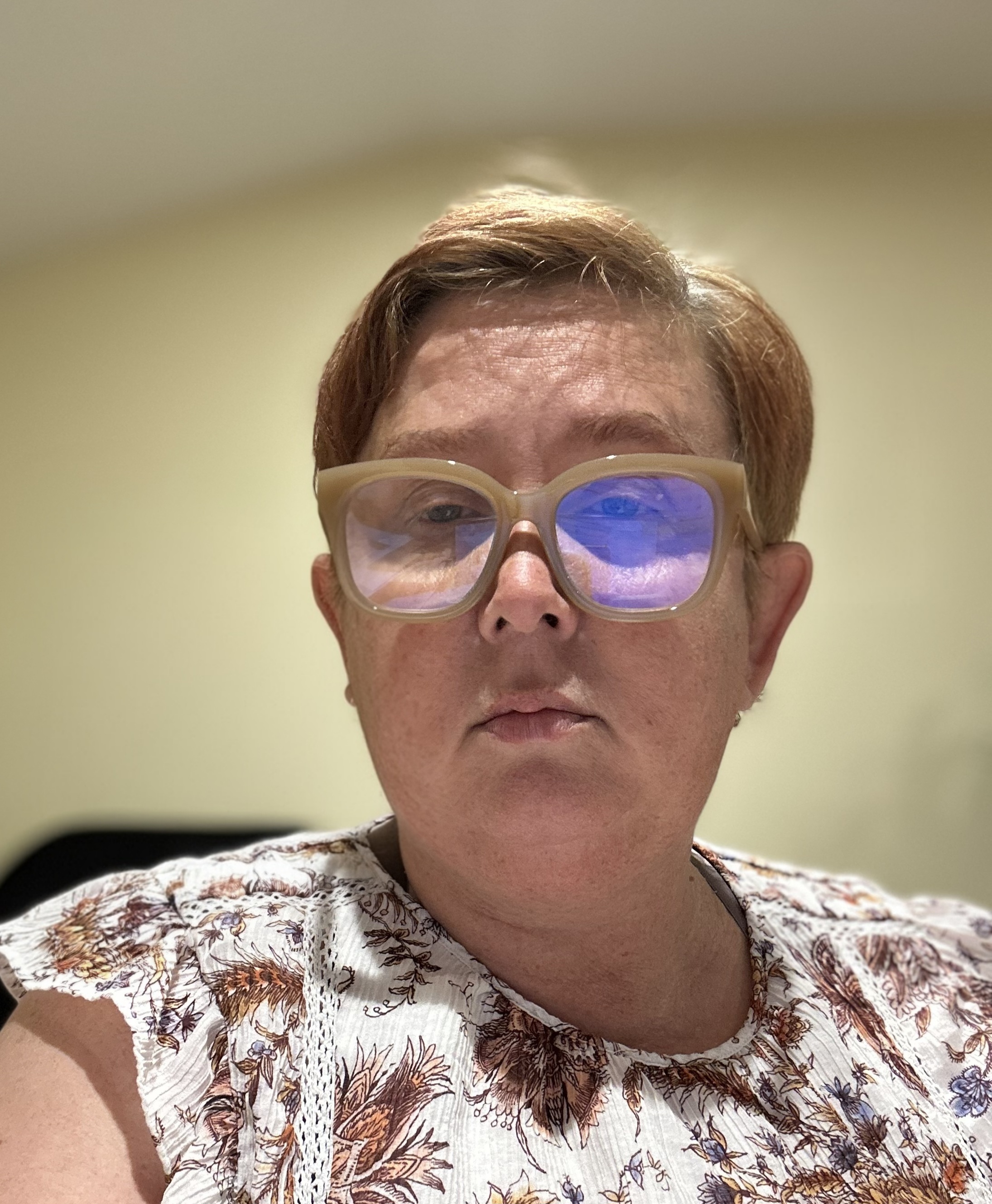
Some days, the first thing I notice is not pain. It is the negotiation.
Can I sit up without feeling sick? Can I make coffee before the fatigue settles over me? Can I answer one more message before my hands start reminding me that they are not interested in my plans?
Living with a life changing illness has taught me that the body does not always announce a crisis loudly. Sometimes it whispers through queasiness, missed chores, unanswered texts, and the quiet grief of having to choose between work and dinner.
This post is personal, not medical advice. Treatment decisions belong between you and your medical team. I am sharing what this season has felt like from the inside: the new medications, the side effects, the tiredness, the guilt, and the strange way a world can shrink even when nothing around you has visibly changed.

Starting new medication changed the shape of my days
There is a certain kind of hope that comes with a new medication. It is careful hope. You do not want to get too attached to it, because you have already learned that improvement can be slow, partial, or complicated.
Still, I started with hope.
Maybe this would be the thing that calmed my joints. Maybe I would wake up with less stiffness. Maybe my hands would stop feeling like they had been replaced overnight with someone else’s. Maybe I could turn a doorknob, chop vegetables, fold laundry, and type without quietly calculating the cost of every movement.
Then the queasiness arrived.
Not dramatic, not cinematic, not the kind that sends everyone rushing around with concern. Just a steady, low-grade nausea that made food seem suspicious. Breakfast became a strategy. Coffee, once a comfort, became a gamble. I learned which smells could turn my stomach. I learned to keep crackers nearby. I learned that “a little queasy” can still take up a lot of space in a day.
The hardest part was that the medication was supposed to help me live better. In some ways, it did. In other ways, it asked for payment first.
That is the strange bargain of treatment. One symptom improves, another shows up. Pain quiets down, but fatigue gets louder. Swelling may ease, but the stomach complains. The calendar fills with follow-ups, lab work, refills, reminders, and questions I forget to ask until I am back in the car.
I have had to become more patient with the process than I want to be. I want clean answers. My body offers drafts.
Fatigue is not the same as being tired
Before rheumatoid arthritis became part of my daily life, I thought I understood fatigue. I knew what it felt like to work too late, sleep badly, or push through a busy week.
This is different.
This fatigue feels cellular. It is not cured by a nap, although sometimes a nap is all I can do. It does not always match my activity level. I can wake up tired after doing everything “right.” I can rest and still feel as if someone turned the brightness down inside my body.
The most frustrating part is how invisible it is. I may look fine enough. I may sound normal on the phone. I may get through a conversation, a work task, or a grocery trip. Then I get home and collapse into the nearest chair, still wearing my shoes, too tired to explain how much it took.
There is a particular shame that creeps in when the house starts to show what the body cannot do.
The laundry waits. Dishes collect. Mail piles up. The floor needs attention. The trash should have gone out yesterday. Nothing is catastrophic on its own, but together these things become a daily report card I never agreed to take.
I have had to lower my standards, then lower them again. Not because I stopped caring, but because caring does not create energy.
Some days the win is not a clean kitchen. It is eating something. Taking medication. Answering one important email. Resting before the crash gets worse. Letting the mess exist without turning it into a verdict on my worth.
Work and home both want the same limited energy
Balancing work and household responsibilities used to feel like a scheduling problem. Now it feels more like budgeting with an unpredictable income.
I wake up with a certain amount of energy, but I never know the exact amount. Some mornings I think I have enough for a full day, then by 11 a.m. my body starts closing windows in the background. Other days begin badly and improve a little after medication, food, and movement.
Work requires focus, patience, and follow-through. Home requires bending, lifting, planning, cooking, cleaning, and remembering. Both matter. Both can feel urgent. Both draw from the same small account.
I have learned to ask myself different questions.
Not “What should I get done today?” but:
What actually has to happen today?
What can wait without real harm?
What can be made easier?
What can be done sitting down?
What can be split into pieces?
What can I stop pretending I can do the old way?
That last question is the hardest.
The old way had momentum. I trusted my body more. I could push through an evening of chores after work. I could make plans without scanning for exits. I could say yes and assume I would figure it out later.
Now “later” has consequences.
If I spend too much energy cleaning, I may not have enough left for paid work the next day. If I work through lunch, I may not recover by evening. If I ignore the warning signs, my body does not applaud my dedication. It sends a bill.

The world can shrink quietly
No one warned me how small life can start to feel.
At first, I stopped doing big things. Long outings. Late nights. Crowded events. Plans that required too much standing or too much explaining. That made sense.
Then the smaller things started falling away too.
A quick visit became complicated. A phone call felt like work. Dinner with someone I care about required calculations I did not want to admit I was making. What time would I need to take medication? Would there be a chair? Would I be able to drive home? Would I have to pretend I was fine because I did not want to make the whole evening about my body?
The shrinking is not only physical. It is social.
People do not always disappear all at once. Sometimes they fade because they do not know what to say. Sometimes they assume that if I needed something, I would ask. Sometimes I do not ask because I am tired of needing. Sometimes I worry that I have become repetitive. Pain, fatigue, medication, appointments, side effects. Not exactly sparkling conversation.
There is loneliness in managing a chronic illness that does not always look urgent from the outside. There is loneliness in being too sick for normal life but not sick enough, or not visibly sick enough, for people to understand the constant strain.
I miss being easy to include.
I miss being able to say yes without offering a medical weather report. I miss spontaneous plans. I miss the version of myself who could be counted on without fine print.
The lack of social support does not always look like abandonment. Sometimes it looks like silence. People mean well, but meaning well does not carry groceries, sit with you after a rough appointment, or check in after the first week of a new medication.
And still, I know relationships are complicated. Everyone is carrying something. That truth helps me stay fair, but it does not make the quiet less quiet.
I am learning to accept help before I am desperate
One of the hardest lessons has been learning that help counts even when the situation is not a crisis.
I used to think I should ask only when I truly could not manage. That sounds noble until you realize it means living at the edge of collapse. By the time I asked, I had already spent days or weeks pretending things were manageable.
Now I am trying to ask sooner and more clearly.
Not vague hints. Not “I’m fine” when I am not. Specific requests help:
Could you pick up a few groceries this week?
Can we make plans that include a place to sit?
Would you be willing to check in after my medication day?
Can we do a shorter visit?
Could you help me carry this upstairs?
I still do not like asking. I still feel the old reflex to minimize everything. But I am starting to understand that needing support is not a character flaw. It is part of being human, especially when the body is under strain.
I am also learning to build support in smaller ways. A text thread with someone safe. A low-pressure plan. A prepared meal in the freezer. A chair in the kitchen. A reminder that rest is not the same as giving up.
These are not solutions to the whole problem. They are handholds.
Being ill has changed how I see clients who are struggling
One unexpected shift has been the way illness has changed my empathy.
I thought I was already compassionate. I listened. I tried not to judge. I understood, at least in theory, that people carry private burdens.
Then my own body started making ordinary life harder, and theory became lived knowledge.
Now, when a client misses a deadline, sounds scattered, cancels late, or struggles to follow through, I pause before building a story about their effort. I know there may be more happening than I can see.
Maybe they are in pain. Maybe they are adjusting to medication. Maybe they are caring for someone else. Maybe they are exhausted in a way sleep does not fix. Maybe their life has become a series of calculations, and what looks simple from the outside is taking everything they have.
This does not mean there are no boundaries. Work still needs structure. Communication still matters. But I have become less interested in quick judgments and more interested in context.
Illness has made me slower to assume laziness and quicker to look for strain.
That shift matters. It changes the tone of a conversation. It makes room for honesty. It reminds me that people often need dignity as much as they need solutions.
I do not romanticize being sick. I would give back the pain, the nausea, the fatigue, and the fear in a second. But I can admit that this experience has widened something in me. It has made me more tender toward the hidden work people do just to keep going.

The grief is real, even when I am coping
There is a pressure to be inspirational about illness. To find the lesson quickly. To be brave in a way that makes other people comfortable.
I am not always brave. Sometimes I am irritated. Sometimes I am scared. Sometimes I am bored by my own symptoms. Sometimes I get tired of managing the emotional side of managing the physical side.
There is grief in this.
Grief for the body I thought I knew. Grief for the energy I used to spend freely. Grief for the friendships that could not adjust. Grief for the plans I cancel and the invitations I stop receiving. Grief for mornings that begin with a symptom check before my feet touch the floor.
Coping does not erase grief. It just means grief is not the only thing in the room.
There are still good moments. A day when the medication side effects ease. A task finished without a flare. A friend who understands that sitting together quietly counts. A meal that tastes good after days of queasiness. A client conversation where my hard-earned empathy helps someone feel less alone.
Those moments do not fix everything. They remind me that my life is still mine.
What I am trying to practice now
I wish I had a neat ending, the kind where the medication works perfectly, the fatigue lifts, the house stays clean, and the support system shows up with soup and patience.
Real life is messier.
Right now, I am practicing honesty. With my doctor, with the people close to me, with clients when appropriate, and with myself. I am trying to track what helps without turning my life into a full-time symptom spreadsheet. I am trying to rest before I hit the wall. I am trying to let “good enough” be good enough more often.
Most of all, I am trying to stop treating my limits as personal failures.
A smaller world is still a world. It can still include work that matters, relationships that adapt, humor in strange places, and small rituals that make a hard day softer.
If you are living through something similar, I will not tell you to stay positive. I will say this instead: it makes sense if you are tired. It makes sense if you miss your old life. It makes sense if new medications bring both hope and frustration.
There is no perfect way to live with a body that keeps changing the terms. There is only the next honest choice, the next small adjustment, the next request for help, the next moment of compassion, including compassion for yourself.
Comments